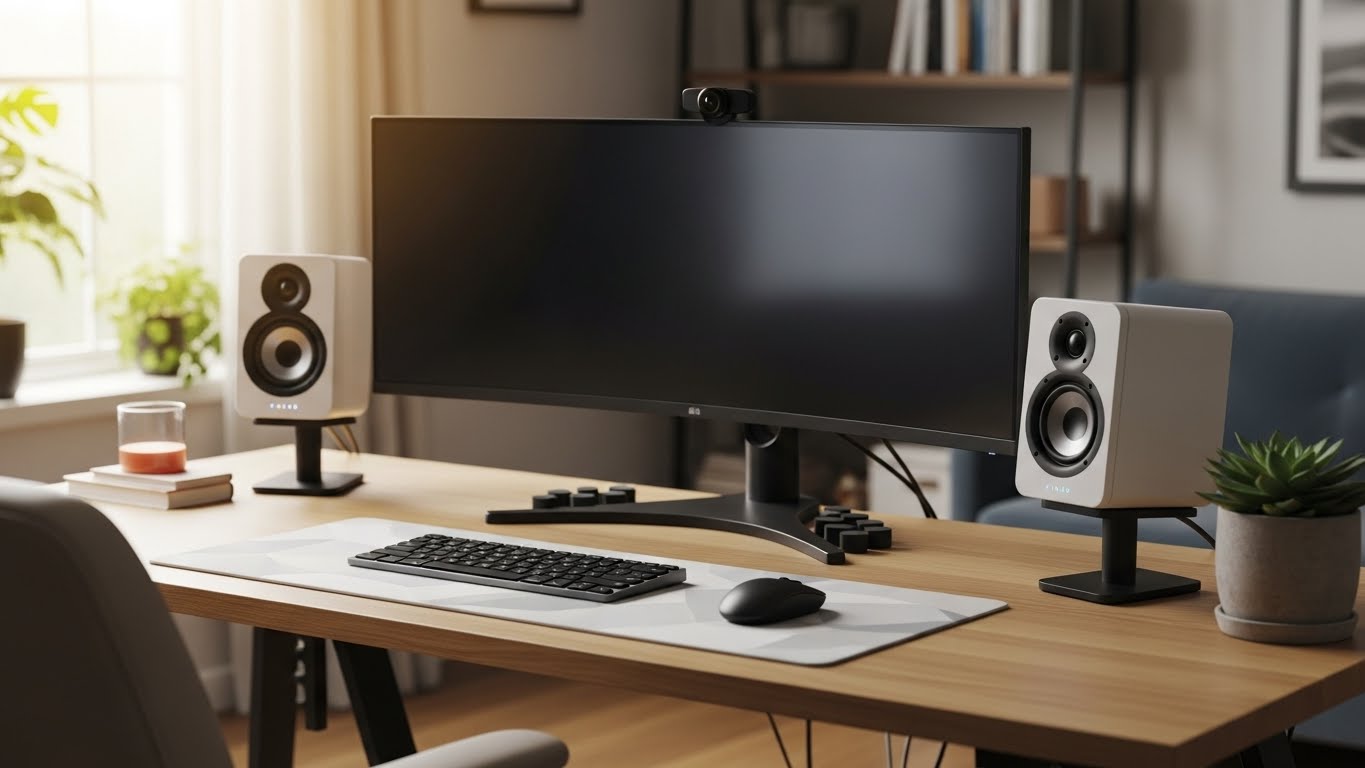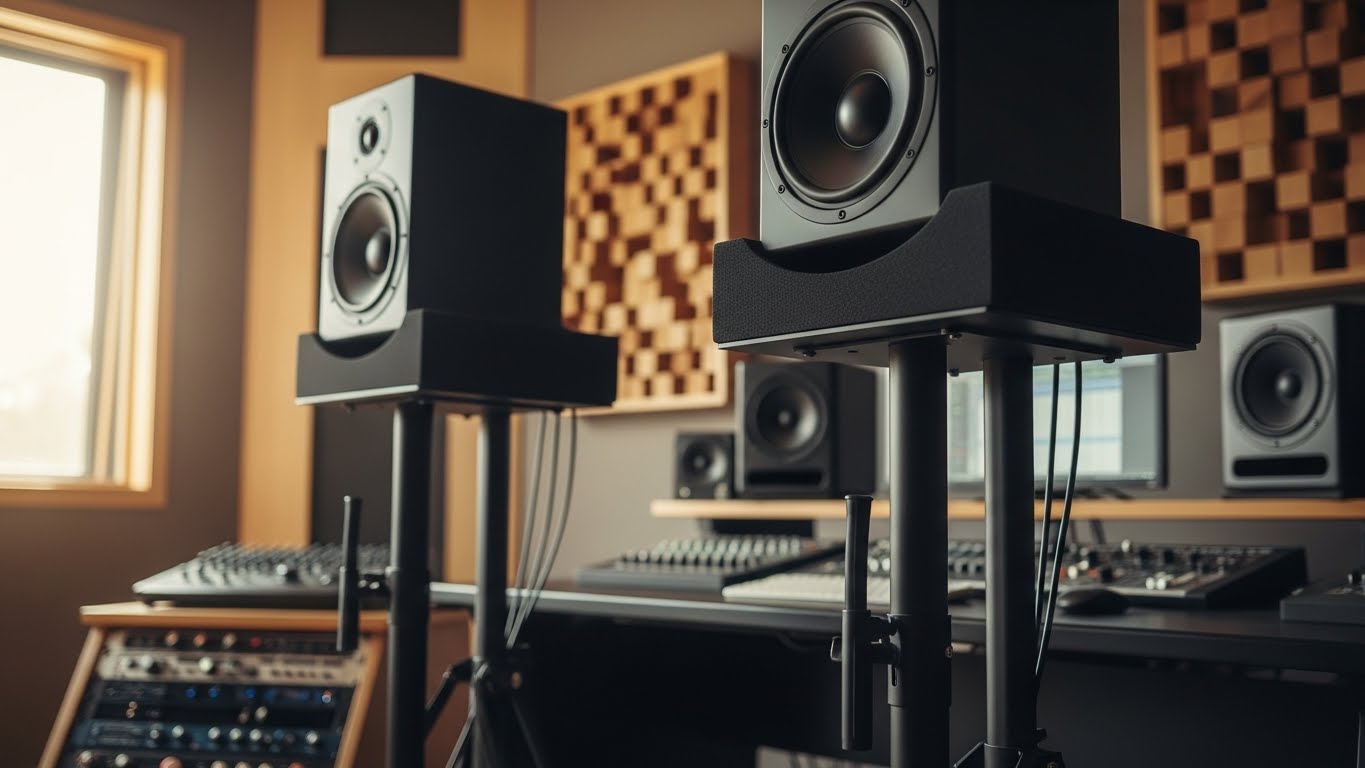
If your speakers sit on a desk, media console, or wobbly shelf, you’re probably hearing (and feeling) extra vibrations that blur bass and make dialogue/music sound less focused. The right isolation pads / feet / spikes can help by reducing how much energy transfers into the surface.
In this guide, I’m reviewing the 5 products and explaining which type is best for your setup.
Are isolation pads actually worth it?
Usually, yes—especially on desks. You’re most likely to notice improvements when:
- Your speakers are on a hollow desk (bass sounds “boomy” or rattly)
- You hear vibrations in the table/TV stand
- You want clearer vocals and tighter bass at moderate volume
You may notice a smaller change if:
- Your speakers are already on sturdy stands
- Your surface is heavy/solid and doesn’t resonate much
Quick Picks (Based on Common Use Cases)
- Best for 5” studio monitors on a desk (angled foam): Liquid Stands Studio Monitor Sound Isolation Pads for Speakers 5″ High-Density Speaker Foam Pads That Prevents Vibrations Angled Speake…
- Best for 6.5”/7”/8” monitors (bigger foam risers): AcsexsAbles Studio Speaker Isolation Pads for 6.5, 7, 8 Inch Monitors | Acoustic Foam Riser Pads | High-Density Isolation Foam for Studio, …
- Best for subwoofers or larger monitors (platform style): 2-Pack for 8″ – 10″ Studio Monitor Noise Isolation Pads Subwoofer Platform Speaker Riser 3-Layer Acoustic Stand Foam Stereo…
- Best budget “feet” isolators for speakers/gear: HiFi Speaker Stand Feet Pads, 40x10mm, Stainless Steel Speaker Isolation Feet for DVD/Amplifier/Turntables/Subwoofer
- Best for coupling to floor/stands (spikes style): Audiocrast 4X HiFi Speaker Spikes Isolation Stand Feet Pad Aluminum 40x20mm Audio Isolators Amplifier Shock Absorber Non-Slip Hi-End…
1) 2-Pack for 8″ – 10″ Studio Monitor Noise Isolation Pads Subwoofer Platform Speaker Riser 3-Layer Acoustic Stand Foam Stereo…
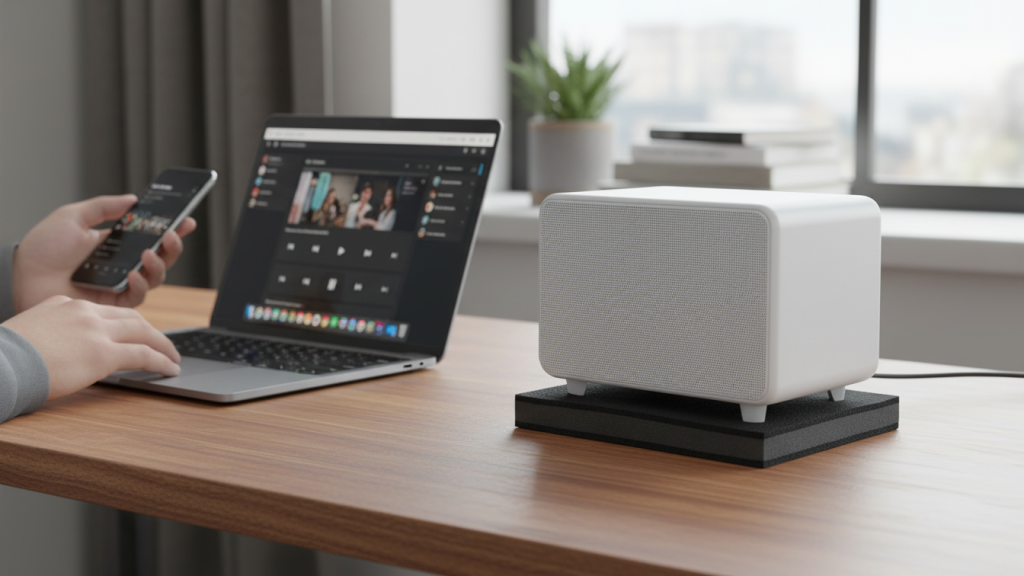
What it is
A larger foam platform style isolator—great when you need a bigger footprint (often used under subwoofers or larger/heavier speakers).
What I like
- The platform design is great for reducing vibration transfer into a desk or floor
- Good option if you have bigger monitors or a compact sub that shakes furniture
- The “riser” style can help reduce bass boom caused by the surface
Watch-outs
- Bigger pads take up more space (not ideal for tiny desks)
- If your speakers are small (like 5”), this may be overkill
Best for: subwoofer platforms, larger studio monitors, heavy speakers on resonant surfaces.
2) HiFi Speaker Stand Feet Pads, 40x10mm, Stainless Steel Speaker Isolation Feet for DVD/Amplifier/Turntables/Subwoofer
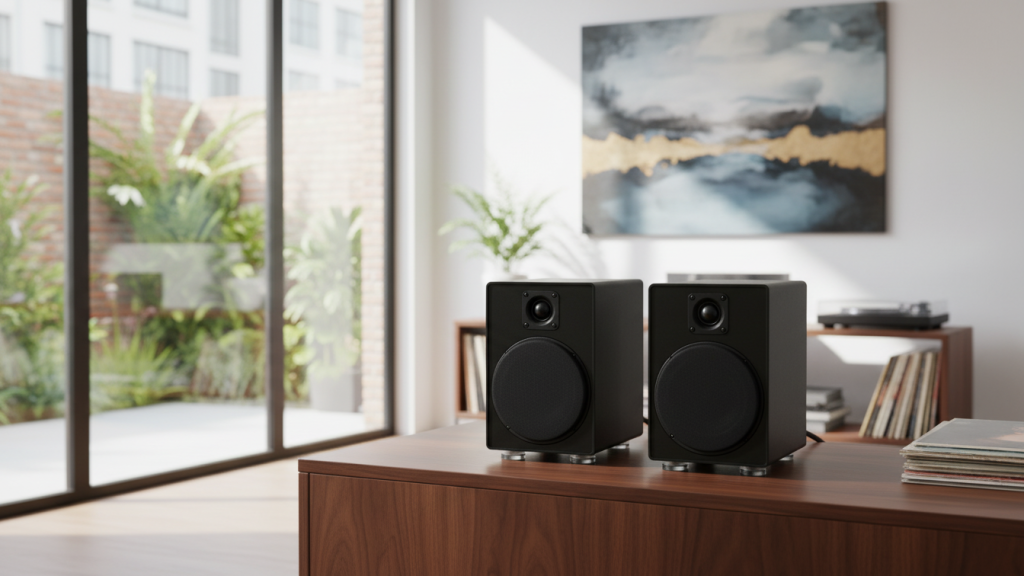
What it is
Small isolation feet you place under speakers or components. These are great when you want a cleaner look than foam pads.
What I like
- Cheapest way here to get some isolation (great “try it first” option)
- Useful not only for speakers, but also for amps, turntables, and other gear
- Takes almost no space and doesn’t change your setup much visually
Watch-outs
- Small feet help, but usually won’t tame desk vibration as much as thick foam pads
- You need a stable, level surface to avoid wobble
Best for: budget isolation, minimal footprint setups, lifting gear off a resonant surface.
3) AcsexsAbles Studio Speaker Isolation Pads for 6.5, 7, 8 Inch Monitors | Acoustic Foam Riser Pads | High-Density Isolation Foam for Studio, …
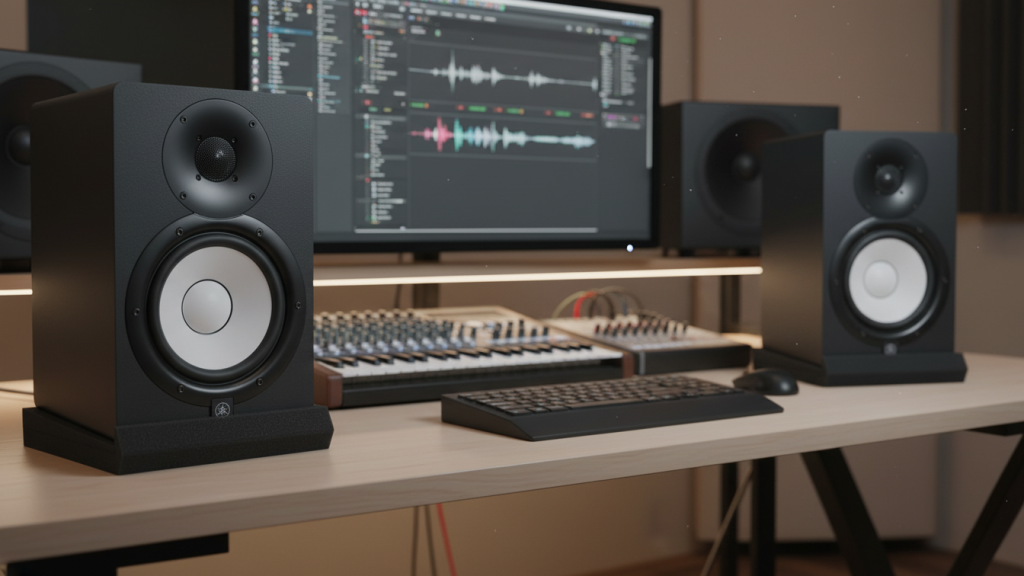
What it is
Foam monitor isolation pads sized for mid/large near-field speakers (6.5” to 8” class). These are made for desk and studio-style setups.
What I like
- Great match for bigger desk speakers where vibration gets annoying fast
- Foam risers are usually the quickest fix for muddy bass on desks
- Helps reduce “desk boom” without needing new stands
Watch-outs
- Foam pads can slightly change the tonal balance (usually for the better, but it depends)
- Make sure the pad size fits your speaker footprint
Best for: 6.5–8” bookshelf/studio monitors on desks or media consoles.
4) Audiocrast 4X HiFi Speaker Spikes Isolation Stand Feet Pad Aluminum 40x20mm Audio Isolators Amplifier Shock Absorber Non-Slip Hi-End…
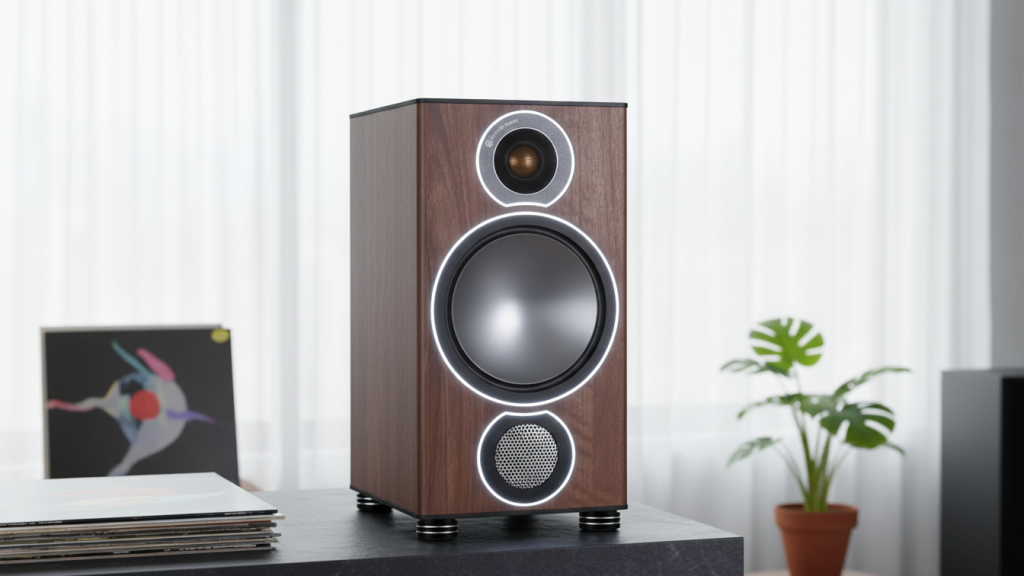
What it is
“Spikes” style feet—often used to couple speakers/stands to the floor for stability, especially on carpet.
What I like
- Can improve stability (less rocking = cleaner bass perception)
- Nice option if you’re using speaker stands or floor placement
- Very affordable compared to many “audiophile” spike kits
Watch-outs
- Spikes aren’t the same as foam isolation: they can reduce rocking, but they don’t always “decouple” like thick foam
- Be careful with hardwood floors (you may need protective discs/pads)
Best for: speakers on stands, carpeted rooms, people who want a stable “locked-in” setup.
5) Liquid Stands Studio Monitor Sound Isolation Pads for Speakers 5″ High-Density Speaker Foam Pads That Prevents Vibrations Angled Speake…
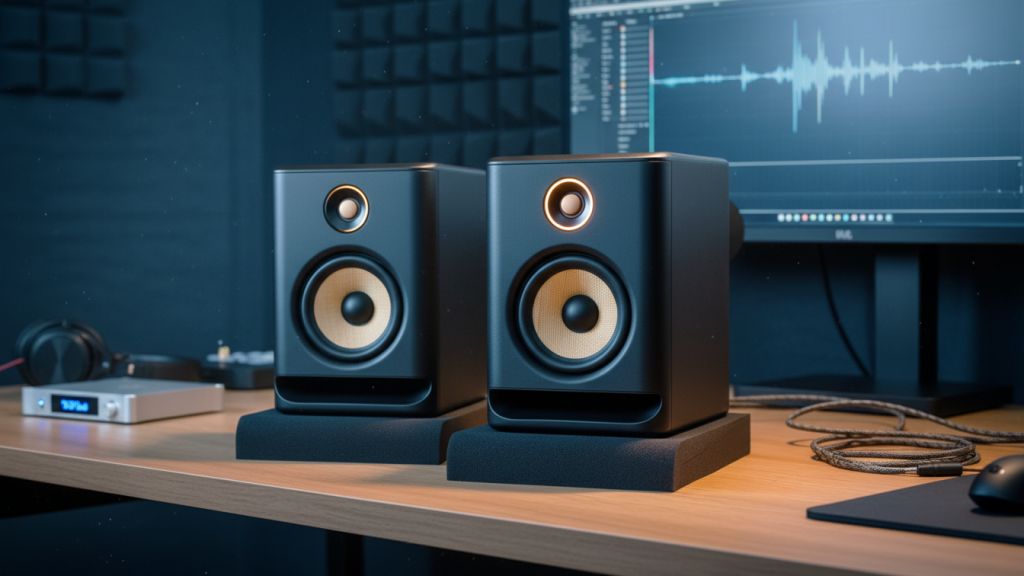
What it is
Angled foam pads sized for 5” speakers—perfect for desk setups where your speakers sit below ear level.
What I like
- Angled design can aim tweeters closer to your ears (often improves clarity and imaging)
- Very practical for small rooms + near-field listening
- Great “sweet spot” choice for people using compact bookshelf speakers as TV/music speakers on a console or desk
Watch-outs
- Best suited for 5” class speakers; bigger speakers may not sit safely
- If your speakers are already at ear height, you may not need the angle
Best for: 5” bookshelf/studio monitors on desks, compact TV console setups, small rooms.
Which One Should You Choose?
Here’s the simplest way to decide:
- Desk setup + small speakers (5”) → Liquid Stands… 5″… Angled…
- Desk setup + bigger speakers (6.5–8”) → AcsexsAbles… for 6.5, 7, 8 Inch…
- Subwoofer or large/heavy speaker on a resonant surface → 2-Pack for 8″ – 10″… Subwoofer Platform…
- Cheapest “feet” upgrade for speakers/gear → HiFi Speaker Stand Feet Pads…
- Using stands / carpet / want stability → Audiocrast 4X HiFi Speaker Spikes…
Quick Setup Tips (So You Actually Hear the Difference)
- Keep speakers near the front edge of the desk/console (reduces reflections off the surface)
- If using angled pads, point tweeters toward your head—not your chest
- For subwoofers: move it a few inches at a time until bass feels full but not boomy